
Hypertension Management at Mace Avenue Medical
High Blood Pressure Treatment in the Bronx
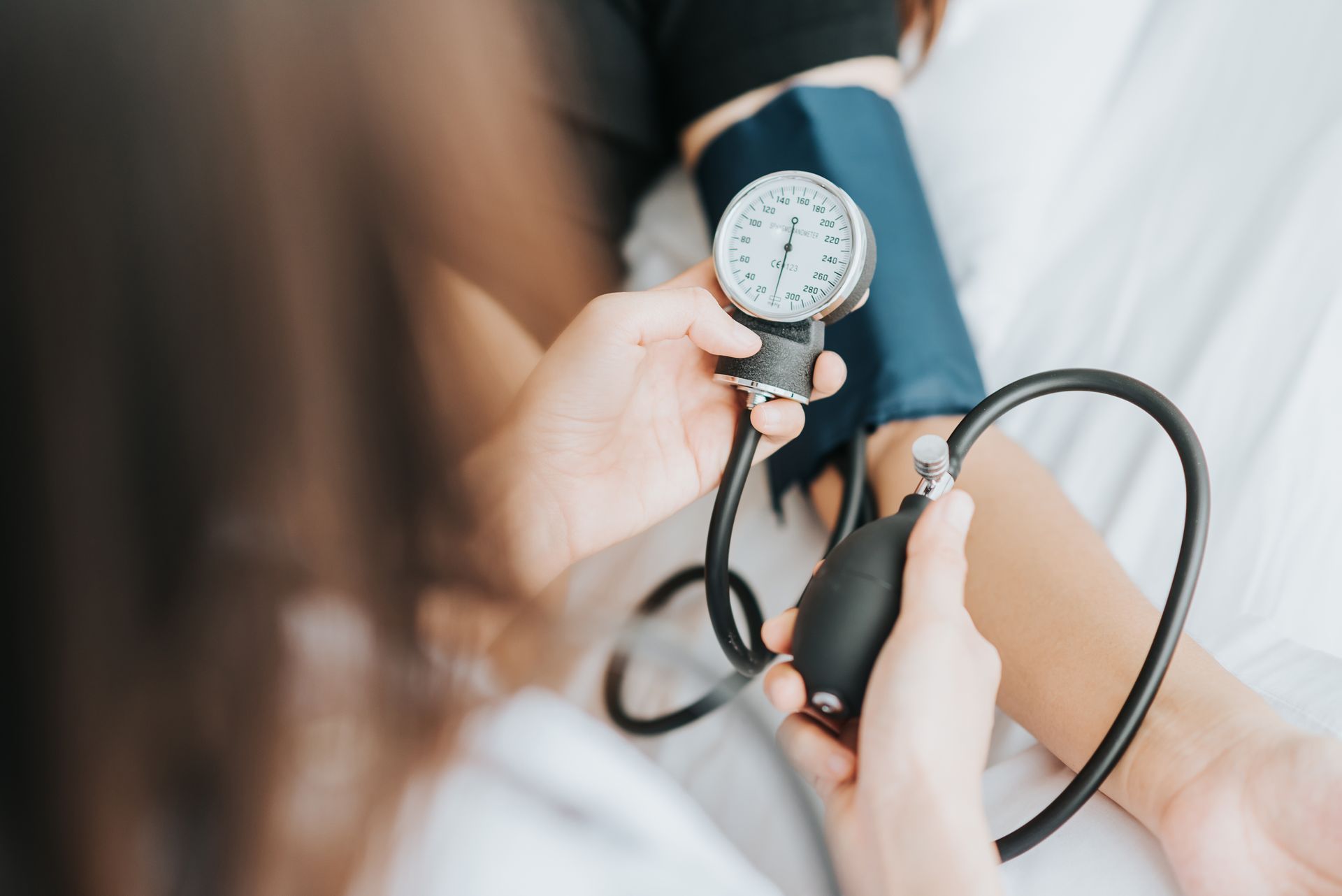
High blood pressure — also called hypertension — is one of the most common and most dangerous chronic conditions in America. It is often called the “silent killer” because most people with hypertension have no symptoms until it causes a heart attack, stroke, or kidney damage.
The good news: hypertension is highly treatable. With the right care plan — including lifestyle changes, regular monitoring, and medication when needed — most patients can achieve and maintain safe blood pressure levels. At Mace Avenue Medical in the East Bronx, we have helped hundreds of patients manage their blood pressure and protect their long-term health.
What Is Hypertension?
Blood pressure is the force that blood exerts against the walls of your arteries as your heart pumps. When this pressure is consistently too high, it strains your heart and blood vessels over time.
Blood pressure is measured in two numbers:
- Systolic pressure (top number) — pressure when your heart beats
- Diastolic pressure (bottom number) — pressure when your heart rests between beats
Blood Pressure Categories (per American Heart Association guidelines):
| Category | Systolic | Diastolic |
|---|---|---|
| Normal | Less than 120 | Less than 80 |
| Elevated | 120–129 | Less than 80 |
| High BP Stage 1 | 130–139 | 80–89 |
| High BP Stage 2 | 140 or higher | 90 or higher |
| Hypertensive Crisis | Higher than 180 | Higher than 120 |
Risk Factors for Hypertension
Certain factors increase your risk of developing high blood pressure:
1
Family history of hypertension
2
Age (risk increases after age 55 for women and earlier for men)
3
Being overweight or obese
4
Physical inactivity
5
High sodium (salt) diet
6
Smoking or tobacco use
7
Heavy alcohol use
8
Chronic stress
9
Diabetes or kidney disease
Even individuals without these risk factors can develop hypertension — which is why regular blood pressure checks are so important.

How Is Hypertension Diagnosed?
Hypertension is diagnosed through repeated blood pressure measurements — typically on more than one visit to rule out “white coat hypertension” (elevated pressure caused by the stress of being in a medical setting). We may also:
- Order home blood pressure monitoring for a more accurate picture
- Order urine and blood tests to check for kidney involvement
- Evaluate for secondary causes (such as kidney disease or thyroid disorders) when appropriate
Treatment Options for High Blood Pressure
Lifestyle Modifications
For many patients with Stage 1 hypertension, lifestyle changes alone can bring blood pressure into the normal range:
- Reducing sodium intake to under 2,300 mg/day (ideally under 1,500 mg)
- DASH diet (fruits, vegetables, whole grains, low-fat dairy)
- Regular aerobic exercise (at least 30 minutes most days)
- Weight loss if overweight
- Limiting alcohol
- Quitting smoking
Medication Management
For patients with Stage 2 hypertension or those who cannot achieve control through lifestyle alone, medications are highly effective. Common classes include:
- ACE inhibitors or ARBs (protect the heart and kidneys)
- Thiazide diuretics (remove excess fluid)
- Calcium channel blockers
- Beta blockers
Your Mace Avenue Medical provider will tailor medication choices to your specific health profile, considering other conditions and medications you take.
Why Your Primary Care Doctor Is the Right First Stop
Hypertension management does not require a cardiologist in most cases — your primary care provider has everything needed to diagnose, treat, and monitor the condition. At Mace Avenue Medical, we:
- Monitor your blood pressure at every visit
- Order and interpret the right labs
- Adjust your medications as needed
- Screen for hypertension-related complications (kidney, eye, heart)
- Refer to cardiology or nephrology when the situation warrants it

Frequently Asked Questions
What is considered dangerously high blood pressure?
A blood pressure reading above 180/120 is a hypertensive crisis and requires immediate medical attention. Call 911 or go to the nearest emergency room if you experience readings this high, especially with symptoms like chest pain, severe headache, or shortness of breath.
Can high blood pressure be cured?
For most people, hypertension is managed rather than cured. However, significant lifestyle changes — weight loss, dietary improvement, regular exercise — can bring blood pressure into normal ranges, sometimes eliminating the need for medication. Your provider will work with you toward the best possible outcome.
What does it feel like to have high blood pressure?
Most people with high blood pressure have no symptoms at all — which is why it is called the silent killer. Some people report headaches, dizziness, or nosebleeds, but these are not reliable indicators. The only way to know your blood pressure is to have it measured.
How often should I check my blood pressure?
If you have been diagnosed with hypertension or elevated blood pressure, your provider may recommend home monitoring and in-office checks every 3–6 months. Home blood pressure monitors are available at most pharmacies and are an important tool for management.
Can I stop my blood pressure medication if my numbers look good?
Do not stop blood pressure medication without talking to your provider. Your blood pressure may be well-controlled because of the medication — stopping it may cause levels to rise again. Your provider at Mace Avenue Medical will guide any changes to your medication regimen.