
Heart disease is the leading cause of death in the United States. In the Bronx, the rates of cardiovascular disease — shaped by high rates of hypertension, diabetes, and obesity — are among the highest in New York State. Getting proactive cardiac care is not optional; for many people in the East Bronx, it is essential.
Mace Avenue Medical offers cardiac risk assessment, in-office EKG, and coordinated specialist care as part of our comprehensive primary care practice. While we work with affiliated cardiologists for advanced procedures, your primary care team at our 2460 Mickle Ave office is your first and most important line of defense for heart health.
Cardiology Services at Mace Avenue Medical
Cardiac Risk Assessment
Your provider will evaluate your overall cardiovascular risk using validated clinical tools. This includes:
- Reviewing your blood pressure history and current control
- Assessing your lipid panel (total cholesterol, LDL, HDL, triglycerides)
- Evaluating your blood sugar and diabetes status
- Considering your family history of heart disease
- Accounting for lifestyle factors: smoking, activity level, diet
- Calculating your 10-year cardiovascular risk score
This risk assessment determines the intensity of preventive interventions needed — from lifestyle counseling to statin therapy to aspirin therapy.
Electrocardiogram (EKG / ECG)
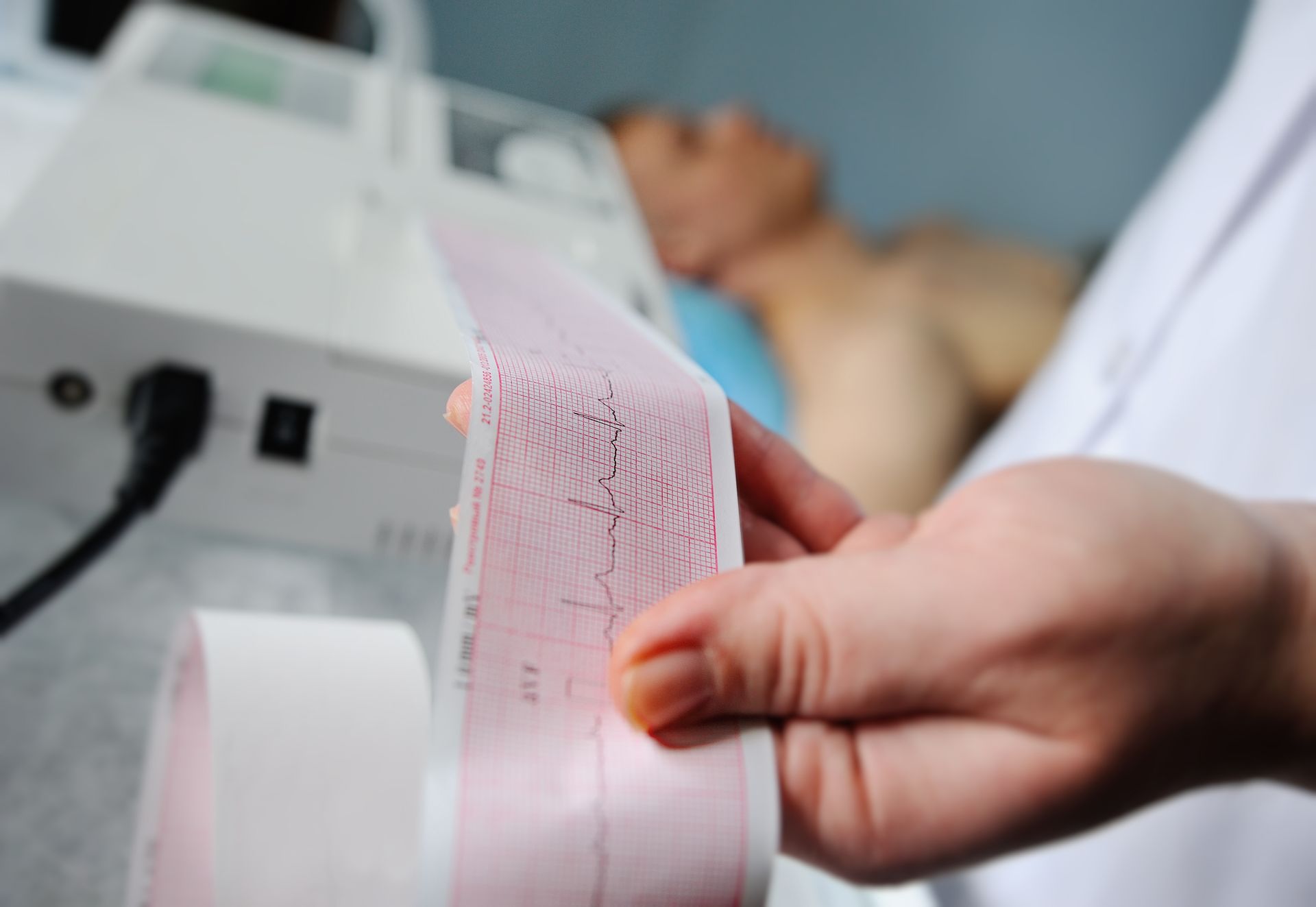
An electrocardiogram is a painless, non-invasive test that records the electrical activity of your heart. An EKG can detect:
- Arrhythmias (irregular heart rhythms)
- Prior heart attacks - Heart enlargement
- Conduction abnormalities
We perform EKGs in-office at Mace Avenue Medical, allowing us to evaluate cardiac concerns without requiring a separate referral for basic testing.
Blood Pressure and Cholesterol Management
Long-term management of blood pressure and cholesterol is the most evidence-based way to reduce cardiovascular risk. We manage:
- Antihypertensive medications
- Statin therapy for high LDL cholesterol
- Cardiac-protective medications (aspirin, ACE inhibitors, beta blockers when indicated)
Specialist Coordination
For patients who require advanced cardiac evaluation or treatment — stress testing, echocardiography, catheterization, or electrophysiology — we coordinate referrals to cardiologists and maintain close communication with the specialist team to ensure integrated care.
Warning Signs of Heart Disease
Know when to call us — or when to call 911:
Call 911 immediately for:
- Chest pain or pressure (especially with exertion or radiation to the arm or jaw) Sudden shortness of breath at rest
- Sudden severe sweating, nausea, or lightheadedness
- Signs of stroke: facial drooping, arm weakness, speech difficulty
Schedule an appointment for:
- Unexplained fatigue or shortness of breath with mild activity
- Palpitations (awareness of irregular or rapid heartbeat)
- Swelling of the ankles or legs
- Persistent high blood pressure despite medication
Conditions We Monitor and Manage
1
Hypertension (high blood pressure)
2
Hyperlipidemia (high cholesterol)
3
Coronary artery disease (CAD)
4
Atrial fibrillation (monitoring and anticoagulation management)
5
Heart failure (in coordination with cardiology)
6
Peripheral artery disease


Frequently Asked Questions
Do I need to see a cardiologist, or can my primary care doctor manage my heart health?
For most people with cardiac risk factors — high blood pressure, high cholesterol, or a family history of heart disease — primary care is the appropriate and most effective starting point. Your Mace Avenue Medical provider can assess your risk, manage preventive medications, and refer you to a cardiologist only when specialized testing or intervention is needed.
What is an EKG and does it hurt?
An EKG (electrocardiogram) is a completely painless test that takes about five minutes. Small electrodes are placed on your chest, arms, and legs to record your heart’s electrical activity. It does not send electricity into your body — it only reads the natural electrical signals your heart produces.
What is a normal cholesterol level?
Optimal LDL cholesterol is generally below 100 mg/dL for most adults, and below 70 mg/dL for those at high cardiovascular risk. However, your target may vary based on your personal risk profile. Your provider will interpret your cholesterol results in the context of your overall health.
Can stress cause heart disease?
Chronic psychological stress is associated with higher blood pressure, inflammation, and unhealthy behaviors (poor sleep, unhealthy eating) that collectively increase cardiovascular risk. Managing stress is an important part of heart health, and your provider can discuss strategies during your visit.
What does it mean if my EKG is abnormal?
An abnormal EKG finding does not always indicate a serious problem — some variations are benign. Your provider will interpret the result in context and determine whether further testing or specialist referral is needed.